Thursday, November 17, 2011

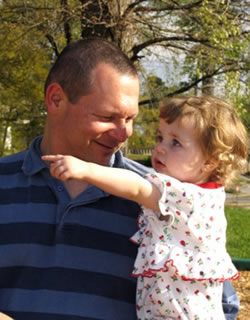
Celebrate National Child Day in Canada - November 20th

Did you know that National Child Day is celebrated in Canada on November 20th each year? National Child Day commemorates Canada’s adoption of the United Nations Convention on the Rights of the Child, spelling out the basic human rights for children and youth.

Non-discrimination; best interests of the child; right to survival and development; and views of the child are foundational principles that the rights in the Convention are built on. As children grow, they have more responsibility to make choices and exercise their rights.

Because Canada has ratified the Convention of the Rights of the Child, we are accountable to how our country is doing in ensuring every Canadian child is living a life reflected by these rights. Every four years Canada must report the status of children’s rights in our country to the UN Committee on the Rights of the Child. The role of the committee is to examine progress made by countries who have signed the Convention in fulfilling their obligations. What is interesting about the Convention for the Rights of the Child is that it is the only international treaty that offers non-governmental organizations an opportunity to report to the UN Committee. This means that organizations outside of government who working directly with children and famlilies have an opportunity to report on the status of children's rights in Canada.

Celebrate National Child Day to acknowledge children as assets to our community and our obligation to ensure they are actively engaged in what happens in their lives. You can celebrate by learning about rights yourself and by teaching them to the children in your life.

For more information about National Child Day click here. To access a kit for National Child Day activities click here.

Friday, November 4, 2011

The Hopeful Message of the 40 Developmental Assets


Everyone has the power to help young people succeed

The secret to helping children and youth grow into happy, healthy, and responsible adults isn’t really a secret at all. Simply make a point to connect with young people: Get to know them, talk to them, understand them, help them, and build relationships with them. As a caring, trusted adult, you’ll be better able to provide the building blocks young people need to succeed and reach their goals. Adult role models, guides, and friends are very important to young people. With your help, young people can begin to understand themselves and the world around them. We all know growing up isn’t always easy. That’s why young people need adults like you in their lives.

Here are the facts

Research from Search Institute identifies 40 Developmental Assets that have a powerful, positive impact on young people. Children and teenagers who have high levels of these assets get involved in fewer risky behaviors and are much more likely to exhibit the positive values, such as leadership, good health, diversity, and success in school. The bad news is most young people don’t have enough assets. About 59 percent of young people, ages 11–18, have 20 or fewer Developmental Assets, according to Search Institute surveys. The good news is we can change this because we all have the power to build assets in young people’s lives.

Understanding Developmental Assets

The eight asset categories Search Institute has found crucial in helping young people grow up healthy include:

  • Support: Young people need to be surrounded by people who love, care for, appreciate, and accept them.
  • Empowerment: Young people need to feel valued and valuable. This happens when youth feel safe and respected.
  • Boundaries and Expectations: Young people need clear rules, consistent consequences for breaking rules, and encouragement to do their best.
  • Constructive Use of Time: Young people need opportunities—outside of school—to learn and develop new skills and interests with other youth and adults.
  • Commitment to Learning: Young people need a sense of the lasting importance of learning and a belief in their own abilities.
  • Positive Values: Young people need to develop strong guiding values to help them make healthy life choices.
  • Social Competencies: Young people need the skills to interact effectively with others, to make difficult decisions, and to cope with new situations.
  • Positive Identity: Young people need to believe in their own self-worth and to feel they have control over the things that happen to them.

Each of these categories involves several specific assets that help young people grow up healthy.

Tips for building assets

In your home and family: Post a list of the 40 Developmental Assets on your refrigerator door. Each day, do at least one thing to build assets for each family member.

In your neighborhood and community: Learn the names of the young people who live around you. Find out what interests them, and ask them about those interests.

In your school or youth program: Plan asset-building activities as part of the curriculum or program. For example, engage young people in service-learning projects, social skills training, or reading for pleasure.

Want to know more about the 40 Developmental Assets and ideas for helping young people build them? Visit www.search-institute.org/assets.

-------------------------

Developmental Assets® are positive factors within young people, families, communities, schools, and other settings that research has found to be important in promoting the healthy development of young people. From Instant Assets: 52 Short and Simple E-Mails for Sharing the Asset Message. Copyright © 2007 by Search Institute®, 877-240-7251; www.search-institute.org. This message may be reproduced for educational, noncommercial uses only (with this copyright line). All rights reserved.

Thursday, June 16, 2011

New Format for the Rural Early Year's Coalition / Kids First e-bulletin - subscribe here!

Greetings,
Our e-bulletin is moving to an electronic format! Please use this box to subscribe if you would like to continue to get bulletins from the Rural Early Years Coalition and KidsFirst Saskatoon.


cheers,
Sydney Bell
Community Developer,
KidsFirst Saskatoon


Friday, April 8, 2011

REYC Advisory Gathering -update

On March 22nd 2011, 15 brave souls ventured out on very icy highways to come together to explore issues, challenges and opportunities for rural families with young children living within the Saskatoon Health Region. These folks were taking part in the Rural Early Year’s Coalition Advisory Gathering hosted in Wakaw.


The Rural Early Year’s Coalition (REYC) is a working group of partners striving to improve the lives of families and children in the rural Saskatoon Health Region. We come together on a regular basis to touch base on what the current issues are for families with young children living in rural areas and to strategize on how we can work together to affect positive change. Twice a year we host Community Advisory Gatherings that are opened to any and all interested folks.


Through these Advisory Gatherings four priority areas have emerged:


1) Service Delivery 2) Early Learning Childcare 3) Healthy Eating Active Living 4) Poverty Busters


Over the past year or so we have focused quite a bit of attention on Service Delivery, conducting focus groups with parents and service providers. It was our goal at this gathering in Wakaw to look and reflect on what, if anything, has changed in Service Delivery and brainstorm some ideas for moving forward.


At the Wakaw gathering we heard: -how parents are having challenges finding childcare in their home communities, -that housing options are limited, -staff recruitment is a challenge, -there is an increased need for rental housing, -Co-op stores are closing in many communities impacting food security. -Many vulnerable families are being pushed out of the city because of high housing costs, only to find themselves quite isolated in rural areas because of lack of transportation costs.


On a positive note we have heard: -Pre-K programs are becoming more welcome in rural communities, and -there may be some ways to improve food security in rural areas by encouraging local initiatives like collective kitchens and small food buying co-ops.


Other ideas included: · blended staff positions · different rules for rural staffing ratios · bringing together health teams for a symposium/conference · travelling clinics · working towards more user-friendly services as apposed to service provider-friendly · fostering parents getting together to determine their needs and interests, then basing programs on that input · mobilizing funds for communities to hire staff who can link parents to services and supports, doing family assessments and facilitating relationships between families to build support.


Many more ideas were generated during our time together, and despite the challenge of the icy highways, it seems most folks left feeling inspired and rejuvenated to continue the work they are doing in their communities.


What happens now? It is hoped that folks will take the ideas and energy generated back to their communities and organizations and that they work toward making what changes can be made.


The role of REYC now is to keep these ideas alive for further conversation and to look for ways to promote them to those who develop programs and policies. For more information about REYC or to get involved contact Sydney Bell, KidsFirst Saskatoon Community Developer Sydney.bell@sasaktoonhealthregion.ca or 655-5383

Change the First Five Years and You Change Everything

Check out this very inspiring video done in New Mexico on the importance of Early Years investment:

Friday, February 25, 2011

Rural Early Years Coalition Advisory Gathering


Rural Early Years Coalition Advisory Gathering

Tuesday March 22
10AM to 3PM
Wakaw Legion Hall, Wakaw, SK

Join us for discussion on the experiences of families with young children accessing services in the rural areas. We will be sharing information collection from focus groups with parent, looking for input from community members on priority areas and developing strategies for action.

This gathering is open to anyone who is interested in issues facing families with young children living in the rural areas of the Saskatoon Health Region including:
o Parents
o Childcare providers
o Parent council members
o Service providers……

Lunch is provided. I hope you can join us!

To RSVP please contact Sydney Bell, Rural Early Year’s Coalition Convenor and KidsFirst Saskatoon Community Developer.

655-5383
sydney.bell@saskatoonhealthregion.ca

P.S. Please forward this invitation to anyone you think may be interested. All are welcome!

Interested in making your own Baby Food?

The Rural Early Years Coalition and the Parent Mentoring Program in collaboration with KidsFirst Saskatoon is offering free workshops in rural communities for parents who would like to learn how to make their own baby food. These workshops are hands-on, fun and hosted by a registered dietitian.

Why attend?
The workshop provides demonstrations, advice and the most-up-to-date guidelines on feeding babies. Starting solids is a big step in your baby’s world. The workshop aims to assist and encourage you to build and maintain a healthy food relationship between you and your child.

What you will learn:
· the signs your baby is giving you about when he is ready to eat solid food
· why solid foods should be introduced when your baby is 6 to 7 months old
· why your baby needs foods rich in iron
· that making your baby’s food is easy, quick, nutritious and delicious.

For more information contact Sydney Bell, KidsFirst Saskatoon Community Developer.
sydney.bell@saskatoonhealthregion.ca
655-5383